Case study @ Ctrl
Acquiring our first users at an early-stage startup

My role
Head of Design (hands-on)
Sep 2021 - Sep 2023
My Team
2 designers
I joined Ctrl shortly after the company raised its seed round, taking on a hands-on leadership role reporting directly to the CEO.
I was directly responsible for design strategy and execution across the platform, and worked closely with the founders to inform roadmap decisions.
The work shown on this page was created collaboratively by me and the design team.

The mission
Simplify fragmented customer data for Sales and CS teams
Customer Success Managers, Salespeople and Account Managers work with data spread across tools like Salesforce, Zendesk, Jira, Asana and Hubspot.
Ctrl was founded to fix this: a unified platform that brings these sources together and surfaces the right information at the right time, giving data-heavy roles a clear, practical advantage in their day-to-day work.

During my two years at Ctrl, we worked to turn an early idea into a product people would use every day - iterating in search of product-market fit, learning from early users, and adapting as both the product and market evolved.
‘On a call’
Our first use case
During customer calls, Customer Success Managers relied on multiple platforms, such as Zendesk and Salesforce, to gather the information they needed. Constantly tabbing between systems disrupted their workflow and reduced efficiency.
Because the problem was clear, urgent, and tightly scoped, it provided an ideal opportunity to design, build, and validate a solution.


Early validation with Design Partners
Without an established user base, we turned to design partners, an early-stage startup practice of recruiting target customers to co-develop the product in exchange for free access.
Sourced through our founders' and investors' networks, these partners used Ctrl in their day-to-day work and joined regular feedback sessions. Together with product analytics, they became our primary source of insight for the first 18 months at Ctrl.
Takeaways from early testing:
Strong problem Validation
The problem resonated strongly with users, helping us grow our network of design partners and validate market demand.
Friction in browser extension approach
We saw significant friction in the Chrome extension setup, leading us to move to a browser-based product to reduce barriers to adoption.
No Sustained Engagement
While the “on a call” use case generated initial excitement, it didn’t sustain engagement over time.
Building trust and credibility
Catching the brand up to the product
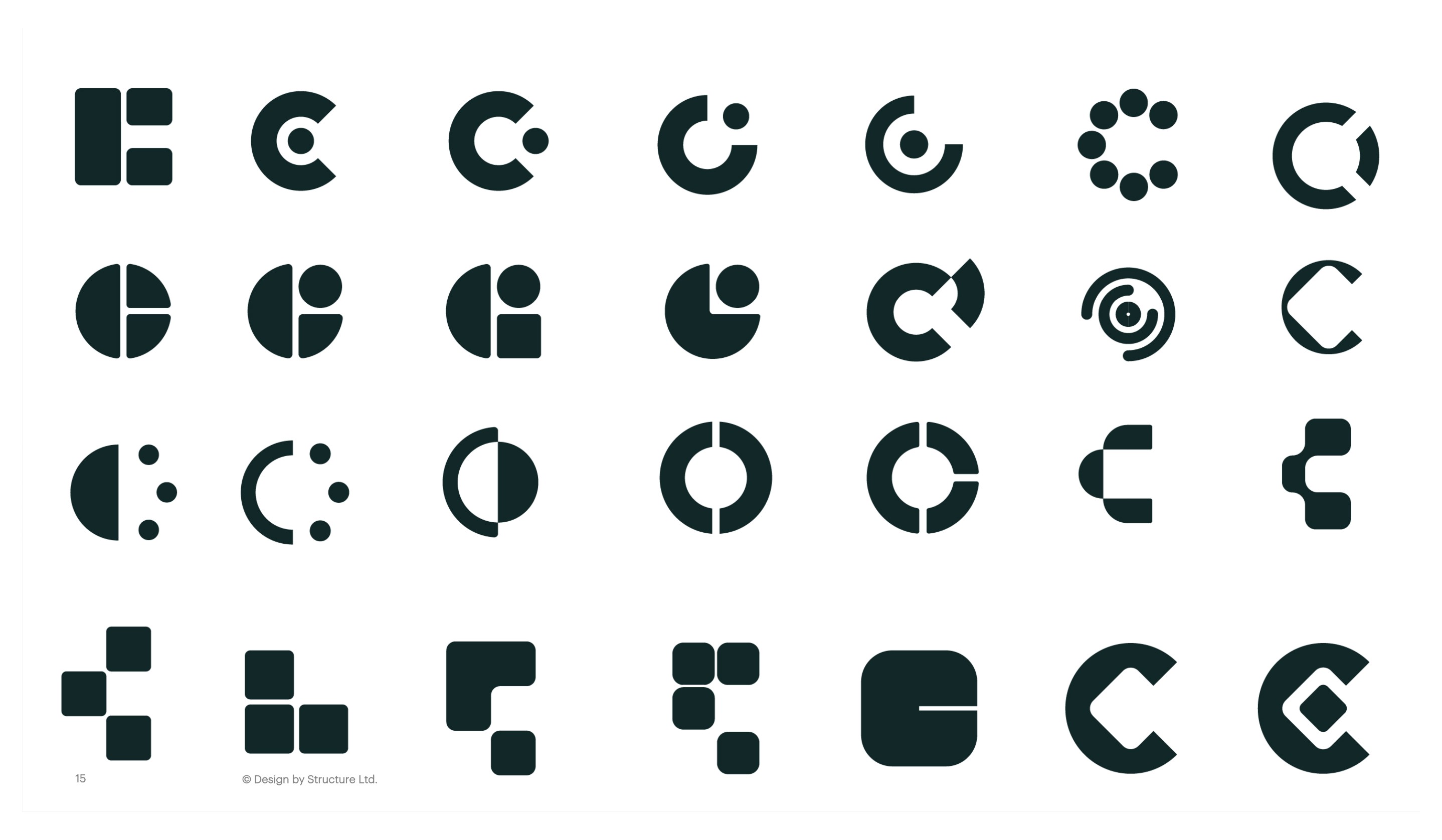
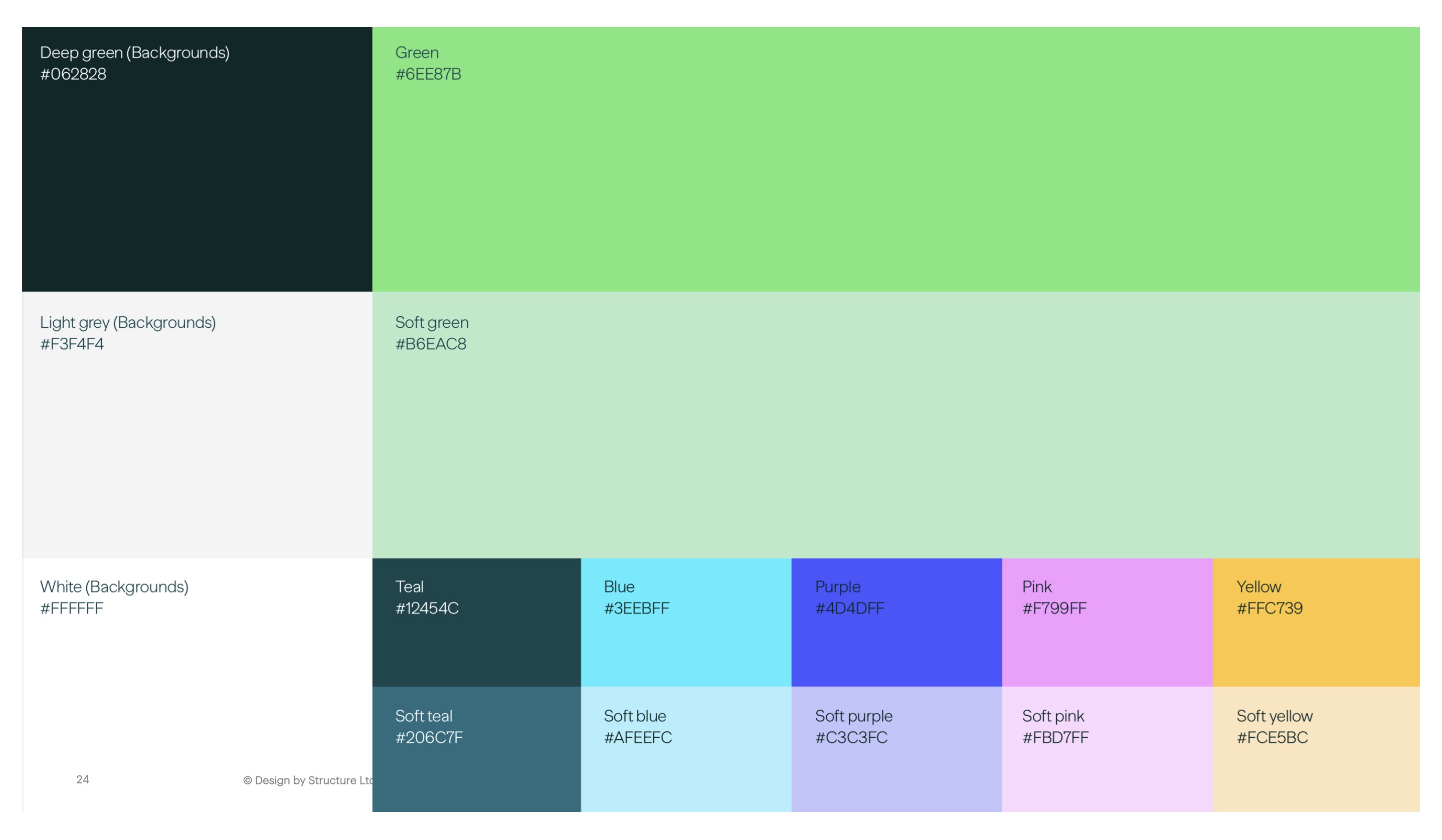
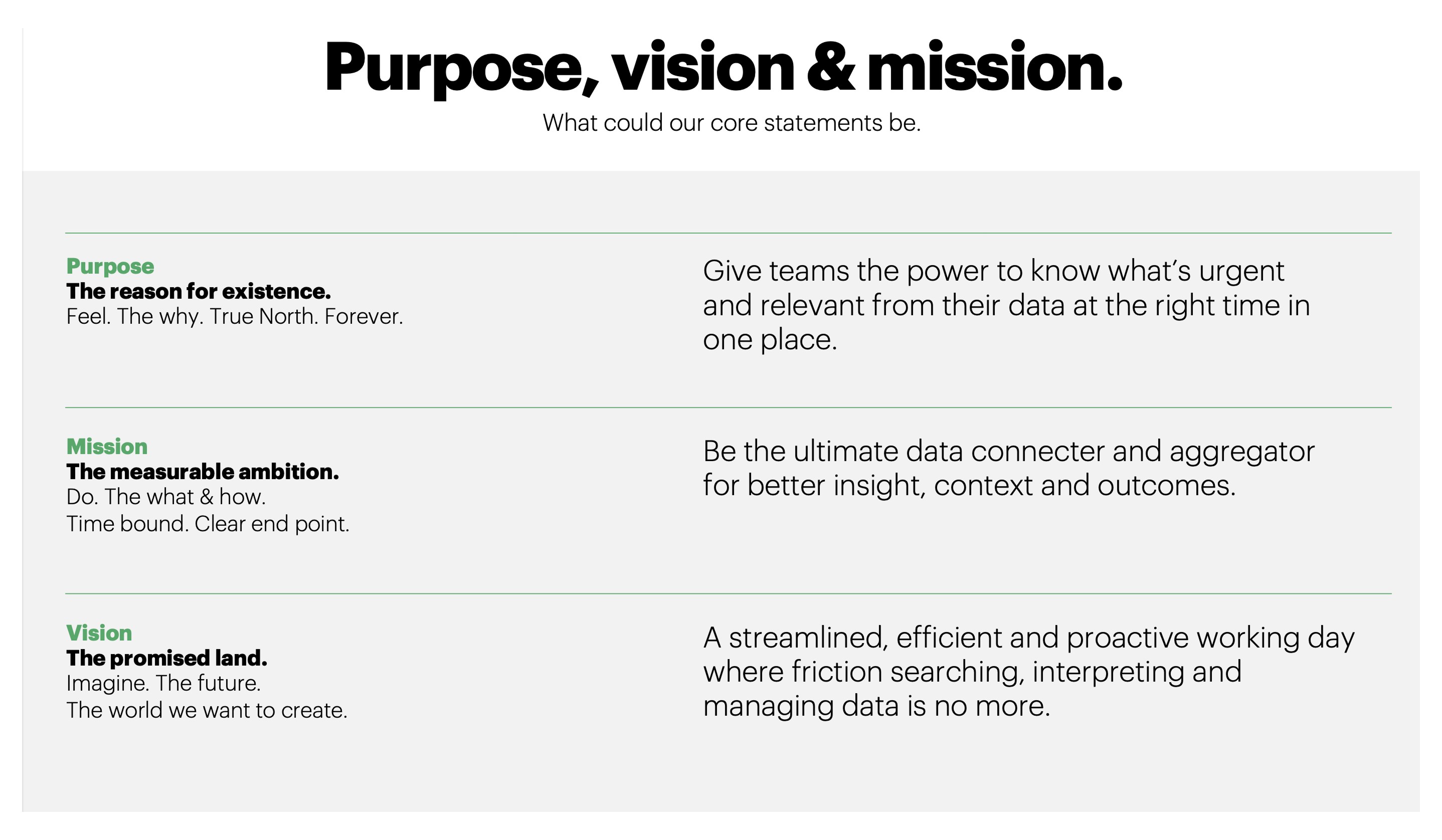
As interest in the product grew, we felt the brand needed to catch up. At such an early stage, the goal was only to build enough credibility and coherence for users to trust that Ctrl was a serious product and company.
I joined the CEO in interviewing agencies and helped shape the brief around clarifying our story, visual identity, and tone of voice. We kept the effort lightweight and focused on creating a simple, consistent foundation we could build on as the company evolved.
The outcome was stronger alignment across our product, website, and storytelling.







Iterate or expand?
Broadening our use cases
We considered limiting our focus to the "on a call" use case, which had resonated well in early testing. But our target users were deeply embedded in existing tools, and we felt that solving a single narrow problem was unlikely to drive meaningful adoption.
We chose to broaden the product in two directions:
1
Expand integrations
Adding more integrations allowed us to support a wider range of users and design partners, giving us access to more data and feedback to iterate on effectively.
2
Introduce flexibility
Rather than waiting until we'd fully validated a narrow feature set, we moved sooner toward a more adaptable design — one that could accommodate a wider range of workflows and use cases.
Adding a dashboard for flexibility
We focused on building a dashboard that could serve multiple use cases through customisation, a deliberate shift from our first, opinionated build.
Dashboard cards were designed as modular building blocks, allowing users to create views that matched their own workflows and priorities.

Prioritising craft and performance
We were cautious about investing in polish too early. However, competing against entrenched tools that users tolerated rather than enjoyed, we viewed user experience as core to our strategy.
As a result, we regularly focused on interaction details to make the product feel faster, lighter, and easier to navigate.
Exploring patterns for navigating deeper within dashboard cards
Low-fidelity exploration for 'focus mode' - navigating from a dashboard view to a full page view
Making data actionable across the stack
Our 'Create from' feature unlocked seamless data transformation between integrations. In a few clicks, Salesforce meeting notes could become Zendesk tickets, Jira tasks could turn into Salesforce opportunities, and more.

The feature gave us a compelling hook in demos as it illustrated the possibilities of our platform incredibly well. It also contributed to early dashboard usage as we started building traction.
Slowing down to Speed up
Improving efficiency with a design system
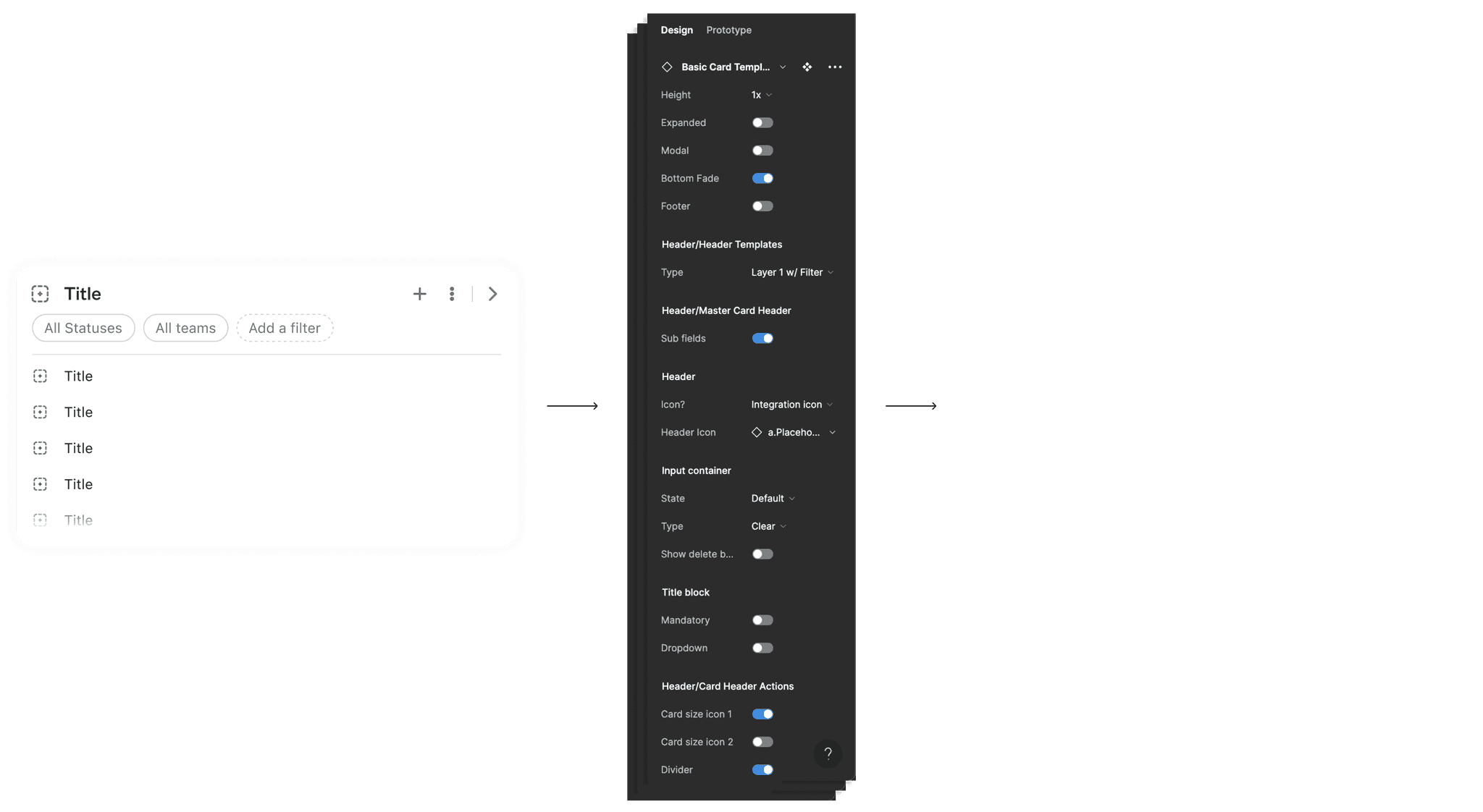
Once we had enough confidence in the direction, we paused to tackle some of our tech debt and invest in a real design system, a difficult trade-off while still moving fast and validating ideas. But without stronger foundations, every new integration was getting harder to build and maintain.
Using shared, configurable components across dashboard cards made the product more consistent and future integrations faster to deliver, even if it slowed the roadmap short-term.

Back to basics
A surprise turning point: a run-of-the-mill sales pipeline
After everything we built, it was the addition of a basic sales pipeline that finally unlocked sustained activity on the platform.
We started with a basic MVP, but for many users it was non-negotiable, and shipping it made the difference between a product people would actually use and one they wouldn't.
Our first daily active users
A little over a year in, we hit an important milestone: our first daily active users. People were returning consistently, sometimes spending several hours a day in the product — updating CRMs, managing tasks, and consolidating customer data from multiple systems.
We still had a long way to go — around 150 users, all on free accounts — but the signal was encouraging, and our opportunity to test and learn had meaningfully improved.
The arrival of AI
Early in our second year, ChatGPT launched — forcing us to rethink parts of our product almost overnight. In those early months, it was hard to judge whether AI could complement what we were building or fundamentally reshape the problem space, and the landscape was evolving too fast to know how to respond.
In hindsight, the impact would prove foundational for a product built around aggregating and surfacing information.
Responding
We dedicating part of the team to exploring how we might integrate AI while keeping momentum as we approached our next funding round. We shipped our first AI features within a couple of months, and were quickly building new capabilities across the team.
Our first AI enhancement was in the notes widget — designed for taking notes during a call. Users could choose from a set of pre-built templates or create their own, and the AI would reshape their rough call notes to fit whichever format they'd chosen.
An unused idea exploring how we might leverage AI to provide users with a cheat-sheet of customer insights from across their integrations.
Shortening runway & ending my time at Ctrl
In our second year, the focus was focused around raising our next round of investment. With AI reshaping the market and investor appetite changing, our priorities moved away from user acquisition to converting existing users to paid accounts.
User acquisition
Converting users to paid
We stepped back from a PLG-led approach and shifted toward a more top-down motion — bringing in a small sales team and opening conversations with ops and procurement to figure out pricing and pathways to paid conversion.
The final eight months were a tough period for the business although we did experience continued improvement in traction. However, we didn't see the paid conversion we needed to create the path to a Series A.
After two years, I made the difficult decision to move on from Ctrl.
The rewarding experience of an early-stage startup
The team's connection to the mission was one of the most memorable parts of my time at Ctrl — everyone understood how their work contributed, and it showed in the product.
Although we didn't raise a Series A, the technology and knowledge we'd built held real value. Six months after I left, the founders agreed an acquisition — allowing the team to continue working on the same problem within a larger organisation.
